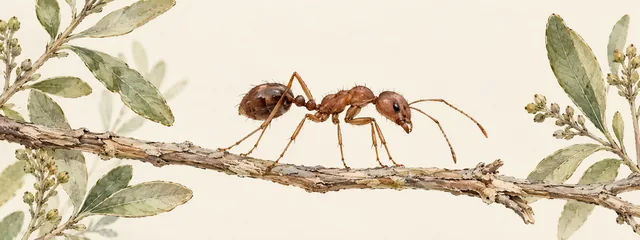
Aphaenogaster
Woodland ants, observed closely.
A starting point for Aphaenogaster care, with the limits of genus-level identification kept visible.
Read Aphaenogaster guideCare, with context
Understand the genus. Keep uncertainty visible. Build a record that belongs to your colony.
Source-checked natural history, with practical suggestions clearly separated. These guides do not replace a species identification or a species-specific care plan.
Aphaenogaster
A starting point for Aphaenogaster care, with the limits of genus-level identification kept visible.
Read Aphaenogaster guide
Brachymyrmex
Begin with identification and containment before choosing a care routine.
Read Brachymyrmex guideCamponotus
Use the species and its origin to interpret growth, food response and seasonal change.
Read Camponotus guideCrematogaster
Cavity nests and honeydew offer useful context for observing acrobat ants.
Read Crematogaster guideFormica
Some Formica found independently; other lineages have very different beginnings.
Read Formica guideLasius
A garden-ant label leaves important questions about founding and seasonal care unanswered.
Read Lasius guideMyrmica
Separate native Myrmica from introduced M. rubra before making keeping or movement decisions.
Read Myrmica guide
Nylanderia
Know the limits of a crazy-ant label before choosing a feeding, heating or seasonal routine.
Read Nylanderia guidePheidole
Observe worker roles without assuming every big-headed ant is a seed specialist.
Read Pheidole guidePogonomyrmex
Species, water and sting risk matter more than a desert-ant stereotype.
Read Pogonomyrmex guidePrenolepis
Winter-ant natural history challenges the usual warm-season assumptions.
Read Prenolepis guideSolenopsis
Recognize the limits of a fire-ant label and check official movement guidance.
Read Solenopsis guideTapinoma
Odorous house ants show why one nest opening may not describe a whole colony.
Read Tapinoma guideTemnothorax
Use cavity-nesting research without assuming an acorn contains an entire colony.
Read Temnothorax guideTetramorium
Modern identification makes older pavement-ant care claims worth checking.
Read Tetramorium guideVeromessor
A species study of founding queens, with practical observations kept separate from experimental results.
Read Veromessor guideNo matching genus. Try a shorter name or clear the search to browse all guides.
Illustrations are decorative, not identification references. Generic artwork is used where a genus illustration is unavailable.
USDA APHIS regulates importation and interstate movement of all ant species. Verify the species, destination and permit requirements with APHIS before buying or shipping. Check the relevant state or other national authorities too. Do not release captive ants outdoors.